
- Home
- Control Restaurant Labor Costs
Control Restaurant Labor Costs
September 9, 2026 - AI Host Reservation Platform
The End of Guesswork: How Smart Reservations Fix Out-of-Control Labor Costs
Relying on walk-ins forces managers to guess daily staffing levels based on historical averages rather than hard data. This creates a volatile environment for any restaurant operator: either you are paying for servers to stand around an empty room, or your lean team is completely overrun by an unexpected rush.
In a well-managed casual dining restaurant, total labor costs should ideally sit between 30% and 35% of revenue. However, many full-service operators watch this number easily drift up toward the 40% range. Every time you schedule a “just in case” shift because you aren’t sure how busy a Tuesday night will be, you are directly chipping away at your prime costs and profit margins.
The Daily Impact of Predictive Scheduling
The most direct way to control labor costs is to schedule against forecasted covers rather than last week’s roster. When you transition to a reservation-first model, the operational mindset shifts. The daily question changes from “How many people do we usually need?” to “How many covers are on the books, and exactly how much staff do we need to execute them flawlessly?”.
A solid book of reservations gives managers a clear daily forecast. This visibility allows ownership to confidently trim bloated schedules or call in exact reinforcements, knowing the data backs up the decision.
The Solution: Unified Digital Control
Predictive scheduling only works if your systems capture demand accurately and efficiently. That is where a modern, connected ecosystem changes the game.
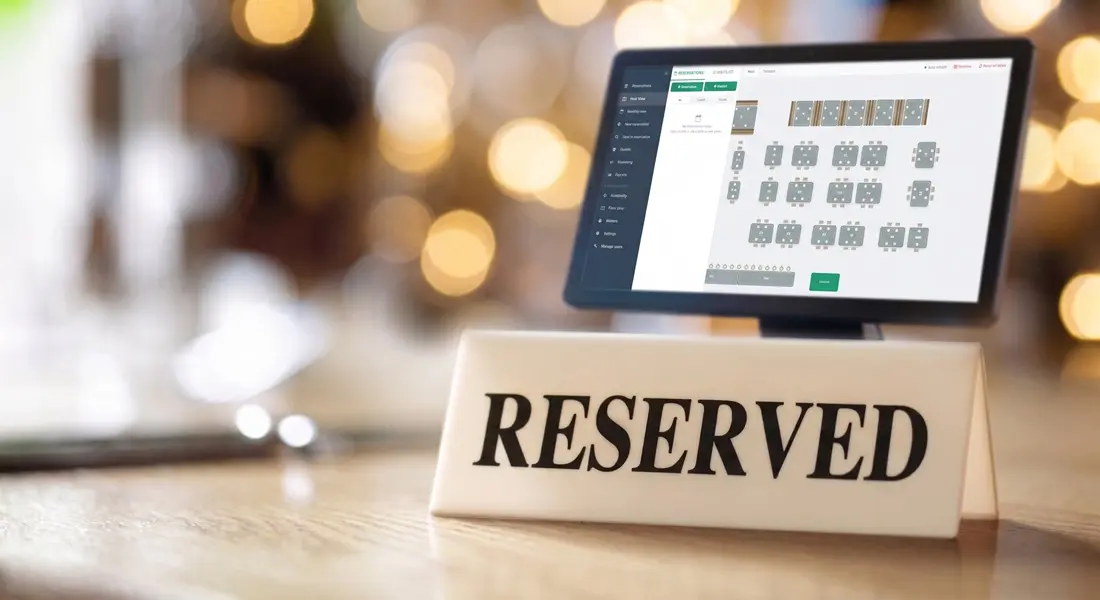
Mulberry’s Forecasting: Mulberry’s flat-rate digital dashboard provides a clear, real-time forecast of incoming volume. With smart floor control, managers get the exact metrics they need to schedule staff efficiently, track incoming guests, and prevent the kitchen from crashing during peak hours.
Sofia’s 24/7 Coverage: Transitioning to a reservation-heavy model naturally increases incoming phone inquiries. Instead of paying human hosts an hourly wage simply to act as receptionists, Sofia steps in as your 24/7 bilingual AI host. Billed strictly at $0.30 per active minute, she captures every booking, answers local venue guidelines, and instantly syncs everything directly into Mulberry.
By eliminating the guesswork of walk-in traffic and automating your phone lines, you protect your margins, reduce overhead, and build a leaner, more efficient front-of-house.