
- Home
- Control Restaurant Labor Costs
Control Restaurant Labor Costs
September 9, 2026 - AI Host Reservation Platform
The End of Guesswork: How Smart Reservations Control Restaurant Labor Costs
Every restaurant operator knows the stress of a volatile dining room. Relying heavily on walk-ins forces managers to guess daily staffing levels based on historical averages rather than hard data. Either you are paying servers to stand around an empty room, or your lean team gets completely overrun by an unexpected rush. If you want to reliably control restaurant labor costs, the solution starts with predictability.
The Problem with “Just in Case” Scheduling
In a well-managed casual dining restaurant, total labor costs should ideally sit between 30% and 35% of revenue. However, many full-service operators watch this number easily drift toward the 40% range. Every time you schedule a “just in case” shift because you aren’t sure how busy a Tuesday night will be, you are directly chipping away at your prime costs and profit margins.
The Hidden Cost of the Host Stand
Labor drain doesn’t just happen on the dining room floor; it happens at the front door. During peak hours, front-of-house staff waste significant time answering the phone. When your hosts are tied to a receiver answering basic questions or taking reservations, table turnover slows down and service quality drops. This inefficiency directly impacts your unit economics.
Predictability: Shifting from Averages to Hard Data
The most direct way to control labor costs is to schedule against forecasted covers rather than last week’s roster. Transitioning to a reservation-first model shifts your operational mindset. The daily question changes from “How many people do we usually need?” to “How many covers are on the books, and exactly how much staff do we need to execute them flawlessly?” A solid book of reservations gives managers a clear daily forecast, allowing ownership to confidently trim bloated schedules or call in exact reinforcements knowing the data backs up the decision.
Pacing, Floor Plans, and Overtime Prevention
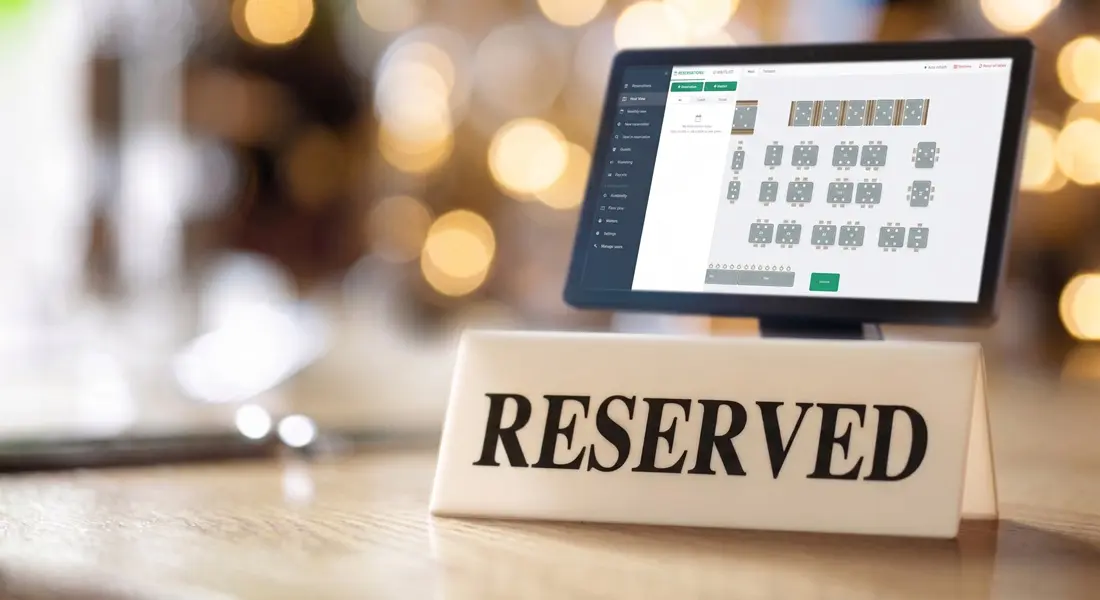
Predictive scheduling only works if your systems control the flow of traffic. Automated pacing prevents the kitchen from getting slammed all at once. By managing custom floor plans and pacing your live guest bookings through a centralized dashboard, you reduce the dining room chaos that often leads to staff burnout, high turnover rates, and expensive overtime pay.
Reallocating Staff with AI Voice Agents
Transitioning to a reservation-heavy model naturally increases incoming phone inquiries, but you do not need to pay human hosts an hourly wage simply to act as receptionists. By letting intelligent voice agents handle the phones, you eliminate the need for dedicated phone staff. Firing tickets directly to the kitchen and managing live table bookings automatically allows you to operate with a leaner team without sacrificing the guest experience.
The Solution: A Unified Digital Ecosystem
Modern, connected systems change the game by capturing demand accurately and efficiently.
Mulberry’s Forecasting:
Operating on a predictable $89/month base fee, the Mulberry dashboard provides a clear, real-time forecast of incoming volume. Managers get the exact metrics needed to schedule staff efficiently and track incoming guests.Sofia’s 24/7 Coverage:
Sofia steps in as your bilingual AI host. Billed strictly at post-usage metered rates, she captures every booking, answers local venue guidelines, and instantly syncs everything directly into Mulberry.
By eliminating the guesswork of walk-in traffic and automating your phone lines, you protect your margins, reduce overhead, and build a highly efficient front-of-house.
Frequently Asked Questions
How does smart restaurant software control labor costs?
By automating repetitive tasks like phone orders and reservations, AI technology frees up your existing staff to focus on in-person hospitality, allowing you to handle higher volume without scheduling extra shifts.Will AI replace my front-of-house staff?
No, AI tools like Sofia and Yasna act as support systems. They handle the phones so your human hosts and servers can dedicate their full attention to the guests currently in the dining room.What is the return on investment for an automated reservation system?
Automated systems offer immediate margin protection. Using a platform with a predictable monthly base fee costs a fraction of the hourly wages required to staff a dedicated phone operator across multiple busy shifts.